
How to select the motor for an electric chemical pump?
Selecting the right motor for an electric chemical pump is a critical decision that can significantly impact the performance, efficiency, and longevity of the pumping system. As a trusted Electric Chemical Pump supplier, we understand the complexities involved in this process and are here to guide you through the key considerations.
Understanding the Basics of Electric Chemical Pumps
Before delving into motor selection, it's essential to have a clear understanding of electric chemical pumps. These pumps are designed to handle a wide range of corrosive, abrasive, and hazardous chemicals. They come in various types, including Vertical Chemical Pump, Corrosion-resistant Pump, and Horizontal Chemical Pump, each with its own unique characteristics and applications.
Key Factors in Motor Selection
1. Power Requirements
The power of the motor is one of the most crucial factors. It must be sufficient to drive the pump at the required flow rate and pressure. To determine the power requirements, you need to consider the pump's head (pressure), flow rate, and efficiency. The head is the height to which the pump can lift the liquid, and the flow rate is the volume of liquid the pump can move per unit of time. The efficiency of the pump affects how much power is actually converted into useful work.
For example, if you have a high - head application where the liquid needs to be pumped to a great height or against a high pressure, a more powerful motor will be required. On the other hand, for low - head, high - flow applications, a motor with a different power - flow characteristic may be more suitable.
2. Chemical Compatibility
Since electric chemical pumps handle corrosive and hazardous chemicals, the motor must be compatible with the environment in which it operates. The motor's enclosure, insulation, and other components should be resistant to the chemicals being pumped. For instance, in applications where the pump is exposed to strong acids or alkalis, a motor with a corrosion - resistant enclosure and appropriate insulation materials is necessary.
3. Speed and Torque
The speed of the motor determines the rotational speed of the pump impeller, which in turn affects the flow rate and pressure. Different applications require different motor speeds. For example, some pumps may operate more efficiently at a constant speed, while others may need variable speed control to adjust to changing process conditions.
Torque is the rotational force that the motor can generate. It is important during startup and when the pump is operating under heavy loads. A motor with sufficient torque is needed to ensure smooth startup and reliable operation of the pump.

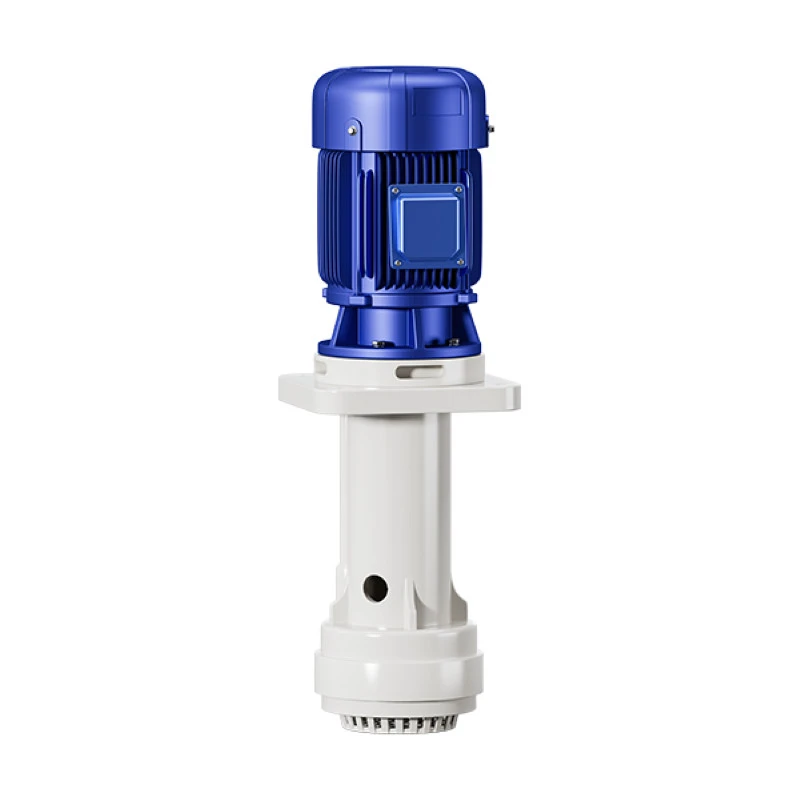
4. Efficiency
Motor efficiency is a key consideration from both an economic and environmental perspective. An efficient motor consumes less energy, which can result in significant cost savings over the life of the pump. Look for motors with high - efficiency ratings, such as those that meet or exceed industry standards. Energy - efficient motors not only reduce operating costs but also have a lower environmental impact.
5. Enclosure Type
The enclosure of the motor protects it from the surrounding environment. There are several types of enclosures available, each suitable for different operating conditions. For example, a Totally Enclosed Fan - Cooled (TEFC) motor is suitable for most industrial applications as it protects the motor from dust, dirt, and moisture. In hazardous environments where there is a risk of explosion, an explosion - proof motor with a special enclosure is required.
Types of Motors for Electric Chemical Pumps
1. AC Induction Motors
AC induction motors are the most commonly used motors for electric chemical pumps. They are reliable, cost - effective, and have a simple design. These motors operate on alternating current and are available in various power ratings and speeds. They are suitable for a wide range of applications, from small - scale laboratory pumps to large - scale industrial pumping systems.
2. DC Motors
DC motors offer precise speed control, which can be beneficial in applications where the flow rate and pressure need to be adjusted frequently. They are often used in applications where variable speed operation is critical, such as in some chemical dosing systems. However, DC motors are generally more expensive than AC induction motors and require a DC power source.
3. Variable Frequency Drives (VFDs)
Variable Frequency Drives can be used with both AC and DC motors to provide variable speed control. A VFD allows you to adjust the motor speed according to the actual process requirements, which can improve energy efficiency and pump performance. By reducing the motor speed when the full flow rate is not required, you can save energy and extend the life of the pump.
Case Studies
Let's consider a real - world example of motor selection for an electric chemical pump. A chemical manufacturing plant needs to pump a corrosive acid from a storage tank to a reaction vessel. The pump has a required flow rate of 50 cubic meters per hour and a head of 30 meters.
Based on the power calculations, a motor with a power rating of 15 kW is selected. Since the acid is highly corrosive, a motor with a corrosion - resistant enclosure and appropriate insulation is chosen. To ensure precise control of the flow rate, a variable frequency drive is installed to adjust the motor speed as needed.
In another case, a water treatment plant uses a Horizontal Chemical Pump to add a chemical disinfectant to the water. The pump operates at a relatively low head and requires a constant flow rate. A high - efficiency AC induction motor is selected for its reliability and cost - effectiveness.
Conclusion
Selecting the right motor for an electric chemical pump is a complex process that requires careful consideration of multiple factors. By understanding the power requirements, chemical compatibility, speed and torque, efficiency, and enclosure type, you can make an informed decision that will ensure the reliable and efficient operation of your pump.
As a leading Electric Chemical Pump supplier, we have the expertise and experience to help you select the perfect motor for your specific application. Our team of experts can assist you in evaluating your requirements, recommending the most suitable motor, and providing ongoing support.
If you are in the process of selecting a motor for your electric chemical pump or have any questions about our products, we encourage you to contact us for a consultation. We look forward to working with you to find the best solution for your pumping needs.
References
- "Pump Handbook" by Igor J. Karassik, Joseph P. Messina, Paul Cooper, and Charles C. Heald.
- "Motor and Drive Technology" by various industry experts, published by leading engineering associations.
- Manufacturer's technical manuals and specifications for electric motors and chemical pumps.